
Full Workforce Audit

Move From Symptoms to Root Cause

Rework is climbing. Delivery keeps slipping. Managers are stepping into work the team should be able to complete. Leadership can see the business consequence, but similar symptoms may come from workload, unclear ownership, weak procedures, capability gaps, key-person dependency or poorly governed technology.

Discuss a Full Audit Compare the Workforce Risk Scan

Workforce Audit Singapore

Evidence
Trace
Review
Action
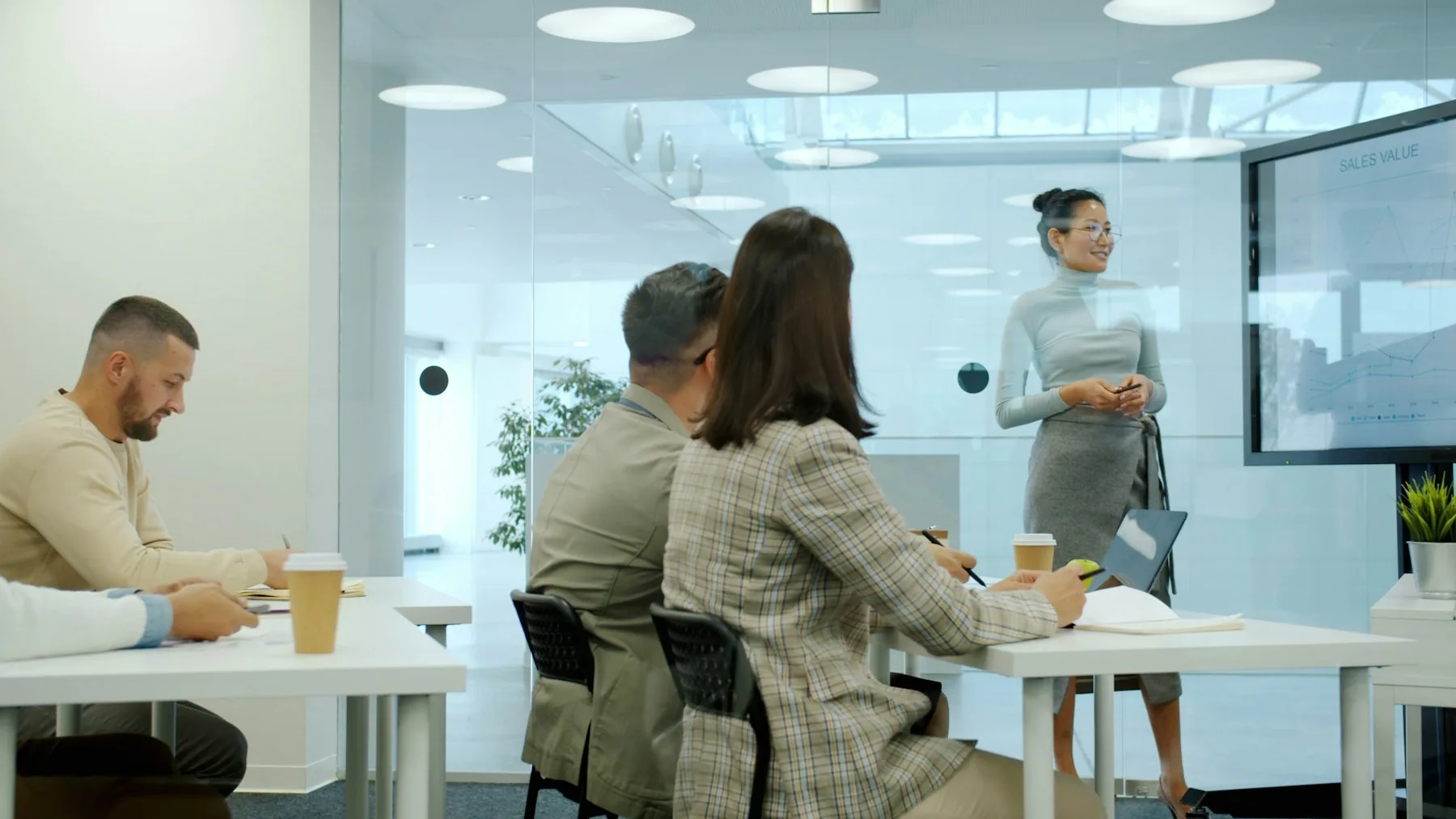
Workplace scene illustrating Move From Symptoms to Root Cause
Readiness meter · about two minutes

Is the company ready for a deeper workforce audit?

An audit is useful when the decision requires more than opinions. Check whether the company has a defined question, appropriate evidence and leaders prepared to act on findings without turning the process into employee surveillance.

Defined questionAppropriate evidenceDecision owner
Quick company check
1 of 3
Is there one business decision the audit must help leaders make?
Can relevant operating evidence be reviewed without collecting unnecessary personal data?
Is a named leader ready to own priorities after the findings are discussed?
Interactive starting point · Workforce Audit

Choose what feels familiar. Watch the story change.

Select one workplace concern to connect the visible signal, possible business consequence, high-level help and useful output. This is orientation—not an automated diagnosis.

ChooseOpenSwipe
Showing: Knowledge sits with one person
Concern 3 of 6

Knowledge sits with one person

What you may notice

Critical work depends on someone whose judgement, exceptions or working steps are not usable by an authorised backup.

Why it matters

Leave, resignation or competing priorities can interrupt service and make onboarding slower.

How we can help

OZIVITA can help examine whether procedures, measures, backup coverage and practice support work that must continue.

Useful output

A bounded readiness view, priority gaps and practical ownership considerations without publishing internal client procedures.

Explore Continuity Readiness
What a decision-ready output can look like
Illustrative example — not a client result
Workplace themeTeams are unclear which urgent task takes priority.
Possible management actionAgree one route for resolving competing priorities and test a short weekly priorities discussion.
Accountable roleOperations lead
Review pointReview understanding and recurring conflicts after four weeks.

This example demonstrates output structure only. It does not establish a cause, result or recommendation for another organisation.

Discuss the output your decision needs

A Full Workforce Audit helps leaders test those competing explanations before funding a response. OZIVITA brings relevant workforce and operating evidence into a bounded, non-clinical review, then provides supported findings, visible limitations and a prioritised decision path. The purpose is to address the operating condition, not blame the person nearest the problem.

A Full Audit may fit when the issue is material, recurring or spread across connected teams. Customer service may remain unstable despite coaching. A quality problem may survive a procedure update. Turnover may intensify manager overload while slow onboarding makes replacement harder.

The engagement begins with the decision leadership needs to make and the consequence of getting it wrong. This keeps the review focused on a defined operation rather than gathering information across the organisation without a practical purpose.

The same symptom can support several plausible stories. An Audit is useful when leadership needs evidence strong enough to distinguish them.


Workplace perspective for When the visible problem no longer explains the loss

A missed deadline may come from an unrealistic queue, a blocked input, unclear authority, a system issue or insufficient task readiness. An outdated procedure may slow onboarding, increase manager interruptions and create inconsistent quality at the same time.

Generic training will not repair a broken approval route. More people will not necessarily reduce rework. A new tool can make an undefined workflow move faster in the wrong direction.

OZIVITA considers alternative and contrary evidence rather than starting with a preferred programme. A rejected explanation has business value when it prevents investment in the wrong response.

Decision area Workforce Risk Scan Full Workforce Audit
Primary use Orient leadership to priority risks and evidence gaps Examine material, connected or insufficiently explained conditions
Scope Limited and proposal-defined Broader but still proposal-defined
Evidence Selected organisational inputs Multiple relevant workforce and operating sources
Output Priority view and next-step options Supported findings, limitations and a prioritised action path
Boundary Not a root-cause investigation Not an individual, clinical, legal or employment investigation

The Full Audit is not automatically the better route. Where the question is still emerging, the Workforce Risk Scan may be more proportionate. Where a narrow cause is already supported, leadership may be able to act without either service.

Workplace perspective for Risk Scan or Full Audit?

Depending on the agreed question, the Audit may consider workload and capacity, role clarity, manager decisions, employee task readiness, handoffs, procedure control, measurement quality, backup coverage, distributed work, approved AI use and governance.

Authorised sources can include aggregated workforce input, leadership and manager perspectives, selected operating measures, process observation, controlled documents, training records and other relevant business evidence.

No source stands alone. Interviews provide context but do not prove an organisation-wide condition. A survey can show a pattern without establishing the mechanism. Operational data can show what happened without explaining why. Material findings remain linked to the relevant source, period, population or workflow, with gaps and limitations visible.

Detailed analytical sequences, scoring mechanics, confidence rules and worksheets remain private.

The Audit can show whether a concern is concentrated or systemic, whether a control works only on paper and whether an apparent capability issue is amplified by process or governance. It can also identify strengths worth preserving, such as usable documentation, clear ownership or distributed knowledge.

Clients receive prioritised findings and practical next steps suited to the agreed scope. Depending on the proposal, deliverables may include an executive decision view, evidence and limitation summary, organisational risk or dependency views, prioritised recommendations, ownership considerations and a near-term decision roadmap.

The roadmap separates immediate containment from considered redesign and later embedding. It also shows which decisions are ready, which depend on missing evidence and which belong with an internal or qualified specialist owner. Exact formats and prioritisation methods are not public.

Review the OZIVITA methodology

Workplace perspective for From evidence to a leadership decision

Findings may be expressed in terms of rework, delay, management time, service exposure or continuity using authorised client information. Sources, periods, assumptions and exclusions remain visible. Potential opportunity stays separate from realised value, and overlapping scenarios should not be counted twice.

Relevant financial assumptions require client Finance review. OZIVITA does not guarantee savings, ROI, retention, productivity or any other outcome.

Leadership chooses whether to implement internally, commission focused support or consider a 90-Day Transformation Sprint. The Audit does not create an obligation to buy implementation.

The Audit examines organisational and workflow conditions. It does not create medical, psychological or employment-suitability profiles and does not provide diagnosis, treatment, counselling, crisis care, legal advice or an employment investigation.

Before collection, the parties agree purpose, authorised population, access, systems, reporting, retention and incident routes. Information is minimised and protected under the approved design. Absolute anonymity is not promised. Client DPO and Singapore counsel review may be required.

The client provides lawful authority, responsible sponsorship, accurate context and timely decisions. OZIVITA provides the agreed review, analysis and facilitation. Employment, policy, privacy, security, investment and operating decisions remain with the appropriate client owners.

Work may pause if scope or authority is unclear, privacy conditions are unmet, evidence cannot support a material conclusion or the matter belongs in another authorised route.

Workplace perspective for Safeguards and accountability

A Full Audit may fit when several systems interact and leadership cannot act confidently on the evidence already available. Bring the affected workflow, visible consequence, leading explanations and the decision that is waiting.

A discovery meeting can determine whether the question calls for a Full Audit, a lighter Risk Scan, focused support or another route. Do not send sensitive employee or urgent personal information through the public contact channel.

Discuss a Full Audit Alternative: See the 90-Day implementation path

Keep exploring

Choose where to go next.

Swipe on a phone or select a card. You stay in control of the route.

Next decision

Start with the business problem you need to understand.

A discovery conversation can clarify scope, evidence, privacy and whether an OZIVITA service is the right next step.

Start a conversation
Optional follow-up

Talk through what your answers may mean.

Share business contact details only. Do not include employee names, health information, patient information, passwords, financial records, confidential files or attachments.

Your reflectionComplete the activity to add your result.

Email handoff: this form validates your details and opens your email application with a prepared message to info@ozivita.com. Nothing is stored or sent by this page.

Include the country code, or leave blank for email follow-up.
Describe the visible company problem and the decision you need to make. Do not add sensitive or personal information.