
Employee Workforce Resilience

When Pressure Becomes Rework, Delay and Silence, “Be More Resilient” Is Not a Strategy.

Teams feel the strain first: priorities collide, handoffs weaken, corrections multiply and important blockers surface late. Managers spend more time firefighting. Customers wait. Capable employees begin to question whether good work is still possible.

Build a More Workable Team System Explore Manager Capability Training

Workforce Performance

Pressure
Voice
Recovery
Capacity
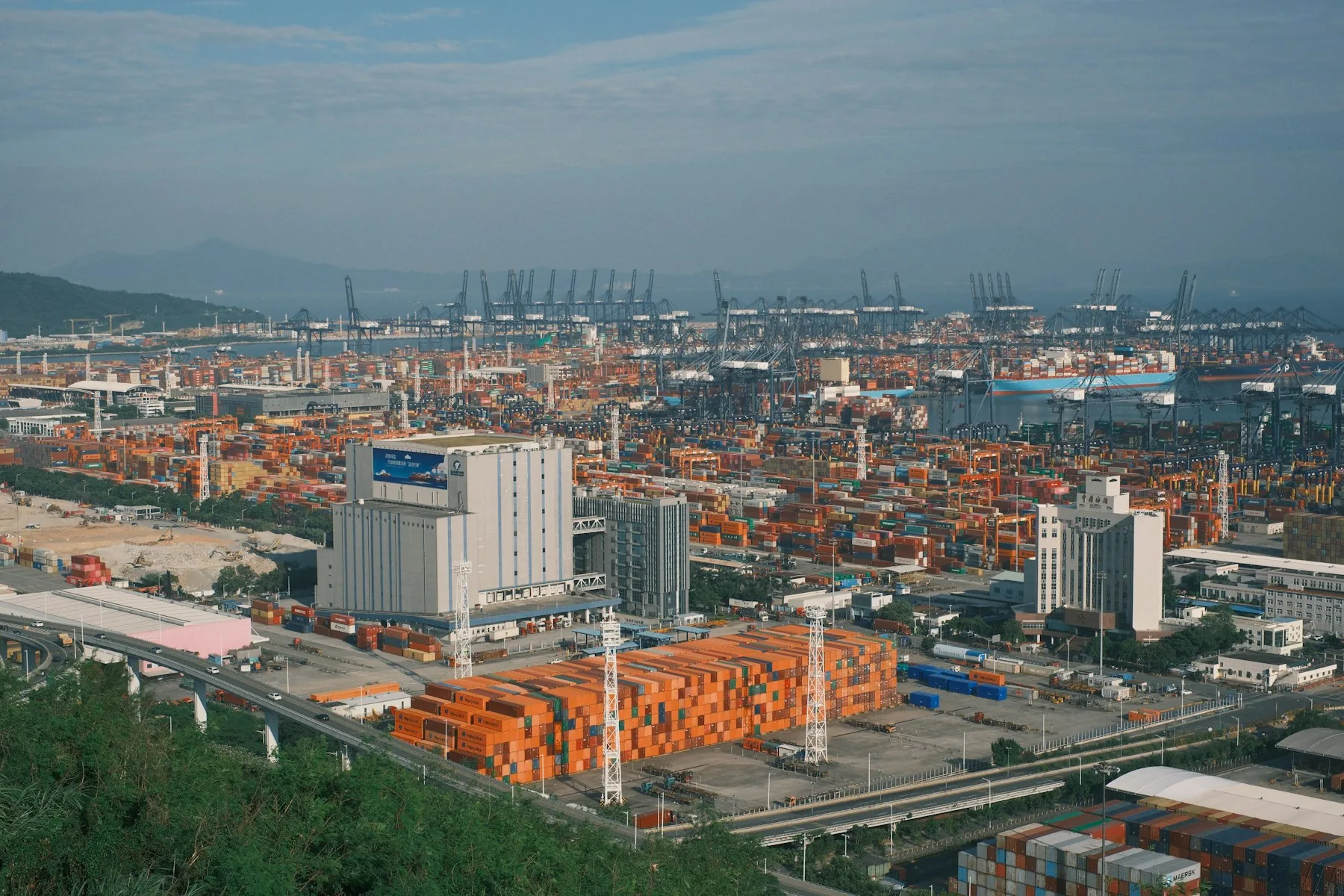
Workplace scene illustrating When Pressure Becomes Rework, Delay and Silence, “Be More Resilient” Is Not a Strategy.
Operating pulse · about two minutes

Is pressure becoming an operating problem?

Resilience is not asking employees to tolerate broken work. This non-clinical pulse check looks at demand, recovery and support signals that may be affecting absence, quality, retention or the team’s ability to continue reliably.

DemandRecoverySupportContinuity
Quick company check
1 of 3
Do people regularly finish one urgent period only to enter another?
Can employees take time off without work returning as a larger backlog?
Do teams have a practical route to raise workload or role problems early?
Interactive starting point · Employee Resilience

Choose what feels familiar. Watch the story change.

Select one workplace concern to connect the visible signal, possible business consequence, high-level help and useful output. This is orientation—not an automated diagnosis.

ChooseOpenSwipe
Showing: Workload pressure never settles
Concern 5 of 6

Workload pressure never settles

What you may notice

Backlog, urgent interruptions or stretched capacity become normal rather than temporary.

Why it matters

Teams may shorten review, defer documentation and depend on experienced people to rescue urgent work.

How we can help

OZIVITA can help connect workload signals with priorities, authority, process and available support before a response is selected.

Useful output

A proportionate view of the operating concern, limitations, priorities and decisions requiring leadership attention.

Explore Workforce Problems
What a decision-ready output can look like
Illustrative example — not a client result
Workplace themeTeams are unclear which urgent task takes priority.
Possible management actionAgree one route for resolving competing priorities and test a short weekly priorities discussion.
Accountable roleOperations lead
Review pointReview understanding and recurring conflicts after four weeks.

This example demonstrates output structure only. It does not establish a cause, result or recommendation for another organisation.

Discuss the output your decision needs

OZIVITA provides non-clinical workplace education connected to the work itself. Employees build practical capability to clarify, communicate and act within their role. Managers and leaders gain a clearer view of the conditions they must fix. The aim is not to help people tolerate a broken system; it is to make pressure easier to manage and operating problems harder to ignore.

Pressure rarely arrives with a clean label. It shows up in ordinary work:

  • everything is described as urgent, but trade-offs remain unmade;
  • employees wait for the same manager to resolve routine uncertainty;
  • handoffs omit context, so the next person reconstructs the task;
  • repeat corrections become normal and are absorbed into the day;
  • procedures exist, but people rely on memory or local workarounds;
  • employees hesitate to raise capacity, quality or technology concerns;
  • new tools add uncertainty about sources, information and accountability.

These are not simply individual coping problems. They can signal unclear authority, weak workflow design, unrealistic capacity or missing organisational support.

Workplace perspective for Does this look familiar?

When teams cannot turn pressure into timely decisions, the cost spreads. Work is touched twice. Deadlines move. Managers become approval bottlenecks. Customer responses become inconsistent. Experienced people carry more exceptions, making their absence harder to cover. New employees learn workarounds instead of a reliable standard.

Over time, the organisation can lose both capacity and trust. Employees may stop raising concerns because nothing changes. Leaders see a performance symptom but not the operating condition behind it. Training delivered without system follow-through can make this worse by implying that employees alone own the solution.

A better response separates what people can do now from what requires management authority or organisational redesign.

OZIVITA connects employee capability to the situations that interrupt reliable work. Depending on scope, the engagement may help teams strengthen:

  • priority clarity — making conflicts and needed trade-offs visible early;
  • decision-ready communication — raising blockers with enough context for action;
  • rework prevention — checking readiness, sources and expectations before effort is lost;
  • reliable handoffs — making ownership, open items and escalation needs clearer;
  • procedure and technology confidence — using approved work systems without guessing;
  • responsible recovery — supporting workable transitions and coverage around demanding work.

The detailed exercises, scripts, tools and facilitation methods are tailored to the client and remain private. Publicly, the principle is simple: teach useful action within role, then route structural barriers to the people who have authority to change them.

Workplace perspective for How OZIVITA helps

Employees can clarify an instruction, flag a dependency, use an approved control and make a better handoff. Managers decide priority, scope, support and escalation. Organisational owners address staffing, conflicting measures, broken workflows, access and governance.

That distinction matters. If every request remains urgent, communication training will not create capacity. If a procedure is obsolete, better compliance messaging will not repair it. If a reviewer lacks time or authority, asking for more vigilance will not create meaningful control.

OZIVITA helps leadership see where learning is appropriate and where the operating system must respond. A Workforce Audit may be the better starting point when causes are broader or disputed.

The intended change is visible in daily work: clearer priorities, earlier escalation, fewer avoidable reconstruction loops, more dependable handoffs and better distinction between an employee concern and a system decision.

Depending on approved scope, clients may receive role-relevant learning materials, fictional practice resources, an escalation overview, aggregated themes, a view of system barriers and recommendations for reinforcement. Related work may connect to SOP, KPI & Backup Readiness or Human-AI Workforce.

Exact programme design, materials, reporting fields, duration and delivery format are agreed privately. No workshop, course or intervention guarantees resilience, productivity, retention, absence reduction, savings or ROI.

Workplace perspective for What may change—and what clients may receive

This is workplace capability education. It is not therapy, diagnosis, treatment, counselling, crisis care, medical advice or psychological assessment. It does not replace workplace safety duties, HR processes, EAP, qualified professional support or emergency services. Participation should not require diagnoses, medical histories or private personal narratives.

Where feedback is included, purpose, participation, access, aggregation, retention and escalation require an approved design. Absolute anonymity is not promised, especially in small groups. Reporting should avoid individual profiling and distinguish limited feedback from established cause.

See Privacy, Data Protection and Non-Clinical Scope.

Bring one recurring situation: where work stalls, what employees are being asked to manage, which decision is missing and what the organisation has already tried. OZIVITA can discuss whether employee education, manager capability, process improvement or a diagnostic review is the proportionate next step.

Discuss a More Workable Team System Explore the Workforce Risk Scan


Workplace perspective for Start with the pressure point
Keep exploring

Choose where to go next.

Swipe on a phone or select a card. You stay in control of the route.

Next decision

Start with the business problem you need to understand.

A discovery conversation can clarify scope, evidence, privacy and whether an OZIVITA service is the right next step.

Start a conversation
Optional follow-up

Talk through what your answers may mean.

Share business contact details only. Do not include employee names, health information, patient information, passwords, financial records, confidential files or attachments.

Your reflectionComplete the activity to add your result.

Email handoff: this form validates your details and opens your email application with a prepared message to info@ozivita.com. Nothing is stored or sent by this page.

Include the country code, or leave blank for email follow-up.
Describe the visible company problem and the decision you need to make. Do not add sensitive or personal information.