Logistics & Back-Office Operations

The Work Should Continue When the Shift—or the Person—Changes.

Orders, records or requests wait because the next action is unclear. A spreadsheet and chat thread disagree. A backup is listed but lacks access or recent practice. Supervisors answer routine exceptions because decision ownership is uncertain. The next shift spends its first hours reconstructing status. Quiet accumulation is still operational failure. It ages queues, pushes errors downstream, increases manager interruption and turns absence into a continuity event. Adding overtime or another status meeting may contain the symptom without fixing the transfer that created it.

Map Your Continuity and Handover RiskAssess Your Key-Person Risk

Workforce Performance

Operations
Queue
Continuity
Exception owner
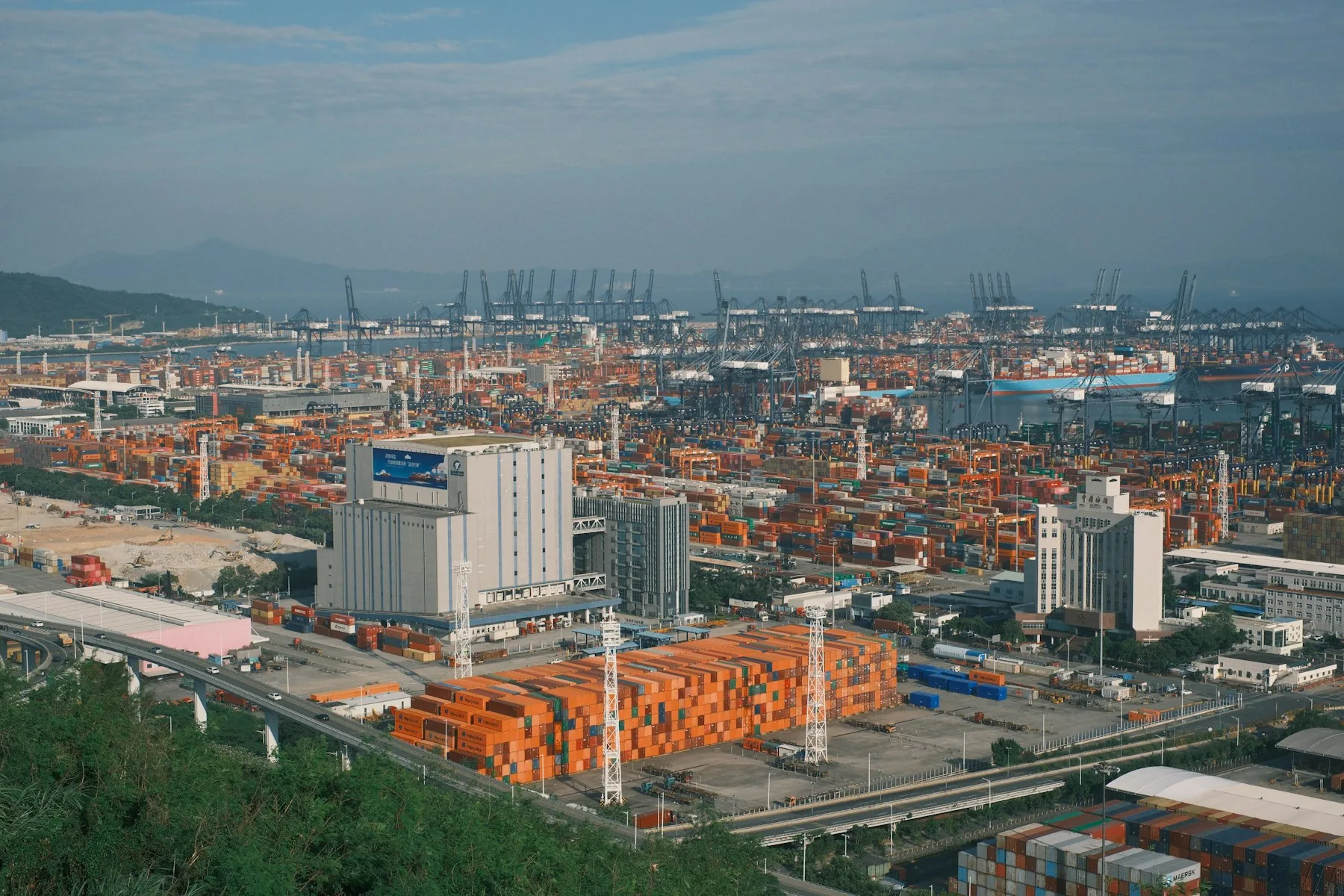
Workplace scene illustrating The Work Should Continue When the Shift—or the Person—Changes.
Choose what happens next · about two minutes

How well does the operation handle exceptions?

Logistics and back-office work slows when standard tasks and exceptions enter the same queue. These scenarios show whether routing, backup coverage or ownership is creating the first avoidable delay.

Standard workException routeBackup coverageOwner
Quick company check
1 of 3
A routine item stops matching the standard process. Where does it go?
A key processor is absent. How confidently can another person continue the work?
An exception crosses teams. How quickly is one owner made clear?
Interactive starting point · Logistics & Back-Office Operations

Choose what feels familiar. Watch the story change.

Select one workplace concern to connect the visible signal, possible business consequence, high-level help and useful output. This is orientation—not an automated diagnosis.

ChooseOpenSwipe
Showing: Handoffs lose context
Concern 4 of 6

Handoffs lose context

What you may notice

Work crosses teams, shifts or locations, but the next person receives incomplete context or unclear ownership.

Why it matters

Questions wait, assumptions multiply and customer or operational issues can travel farther before correction.

How we can help

OZIVITA can help examine where context is lost, what a usable handoff needs and which role owns the next decision.

Useful output

Prioritised handoff concerns, practical options and a clearer route for ownership and review.

Explore Distributed-Team Work
What a decision-ready output can look like
Illustrative example — not a client result
Workplace themeTeams are unclear which urgent task takes priority.
Possible management actionAgree one route for resolving competing priorities and test a short weekly priorities discussion.
Accountable roleOperations lead
Review pointReview understanding and recurring conflicts after four weeks.

This example demonstrates output structure only. It does not establish a cause, result or recommendation for another organisation.

Discuss the output your decision needs

OZIVITA helps logistics and back-office leaders examine the workforce and workflow conditions behind handover friction, rework, slow ramp, bottlenecks and key-person dependence. A bounded, evidence-led review makes the exposure visible and supports a prioritized next decision. The diagnostic sequence and implementation mechanics remain private.

Non-clinical workforce and operations consulting. Not transport, customs, workplace safety, legal or regulatory advice. No uninterrupted-service, error, timeliness or financial outcome is guaranteed.

  • Shift carryover exists in several sources that do not agree.
  • Work waits because ownership or the next action is not visible.
  • Routine and urgent exceptions compete in the same queue.
  • Supervisors authorize work that should not require repeated escalation.
  • SOPs describe the ideal path but not the operating variants people face.
  • Rostered backups lack access, authority, current guidance or practice.
  • New hires learn through interruption and imitation.
  • Errors appear only after downstream teams have added effort.

Headline volume can hide older, high-consequence items, unresolved exceptions, pending handovers and completed work awaiting confirmation. A roster can hide fragile coverage. A current document register can hide procedures that are difficult to use during normal volume or absence.


Workplace perspective for Where continuity commonly weakens

When a handover loses certainty, the receiving person must recreate it. Queue age rises even when incoming volume looks manageable. Corrections arrive after more work has been added. Managers chase status and approve routine decisions. Training depends on whoever is available. Customers or internal stakeholders receive uncertain expectations.

These effects may show up in rework, overtime, delayed completion, schedule changes, manager interruption, slow ramp or continuity exposure. OZIVITA can help leadership frame them using the organization's own definitions, periods and approved assumptions. Any financial view is a transparent scenario, not a promise of savings, fewer errors or ROI.

A Logistics and Back-Office Risk Scan can begin with one process, shift boundary, exception queue or critical task. The high-level review considers:

  1. Flow and handover. Where work loses a clear state, next action, owner or acknowledgement.
  2. Exceptions and decision capacity. Where unusual work becomes mixed with routine volume or waits for authority.
  3. Usable guidance and learning. Whether selected procedures support the real work and connect to role-appropriate learning.
  4. Backup and continuity. Whether critical tasks have credible coverage, including access, authority, context and current practice.

The review uses relevant operational and workforce evidence within agreed privacy and professional boundaries. Detailed handover fields, question sets, classification logic, thresholds, readiness tests, scoring and implementation templates remain private. A discovery meeting determines which exposures matter to the selected flow.

Workplace perspective for How OZIVITA helps

Depending on scope, leaders may receive a concise view of material continuity and flow risk, selected handover or bottleneck friction, knowledge and coverage exposure, evidence limitations and practical next-step choices. Leadership may act on a supported priority, request deeper assessment, refer specialist issues or stop.

OZIVITA connects operations, workforce, quality, learning and approved technology perspectives without replacing safety, customs, transport, legal, regulatory, engineering or cybersecurity owners. The Risk Scan does not certify a procedure, employee, site or operation.

Public forms must not receive shipment records, customer identifiers, safety incidents, regulated data, employee names, health information, credentials or confidential process files. Any engagement evidence requires agreed necessity, access, minimization, retention, deletion and cross-border controls.

Do we need complete SOPs?

No. Missing, outdated or unused procedures may be relevant signals. A bounded scan can identify where guidance or ownership deserves attention without documenting the whole operation.

Can work cross shifts, sites or offshore locations?

Potentially, subject to scope, service availability, lawful access, site requirements, time zones and data handling. The focus is the operating interface, not geography as a presumed cause.

Is backup readiness two names on a roster?

No. Useful coverage may depend on access, authority, current guidance, skill, recent practice and applicable qualification or segregation requirements. Limits should be stated honestly.

Will KPI be used to rank employees?

No. The Risk Scan focuses on organizational and workflow risk and does not create individual employee reports. Employment decisions remain the client's responsibility.

Is government funding guaranteed?

No. No grant, subsidy, reimbursement, approval or free programme is promised. Any support route depends on the relevant authority and current evidence.

Workplace perspective for Questions before you start

Bring one high-level flow description, the signal that changed and the decision leadership needs to make. Start with the shift boundary, exception queue or critical task that becomes difficult whenever volume rises or one person is away.

Map Your Continuity and Handover RiskRequest a Discovery Conversation

No obligation to purchase. Do not submit sensitive operational or employee data. Scope and service availability require confirmation.

Workplace perspective for Make the next handover a control point, not a reconstruction exercise.
Keep exploring

Choose where to go next.

Swipe on a phone or select a card. You stay in control of the route.

Next decision

Start with the business problem you need to understand.

A discovery conversation can clarify scope, evidence, privacy and whether an OZIVITA service is the right next step.

Start a conversation
Optional follow-up

Talk through what your answers may mean.

Share business contact details only. Do not include employee names, health information, patient information, passwords, financial records, confidential files or attachments.

Your reflectionComplete the activity to add your result.

Email handoff: this form validates your details and opens your email application with a prepared message to info@ozivita.com. Nothing is stored or sent by this page.

Include the country code, or leave blank for email follow-up.
Describe the visible company problem and the decision you need to make. Do not add sensitive or personal information.